Stourhead is a great English landscape garden


Stourhead Landscape Garden has a good claim to being ‘England’s greatest landscape garden’. Though changed, as all gardens must change, it retains much of its eighteenth century character. Tour operators are right to make it a priority in English garden tours.

Henry Hoare’s aim was to recreate the landscape of antiquity. Not having too clear an idea of what it looked like, he turned to the great  landscape painters of Italy, including Claude Lorrain and Nicholas Poussin.

In the Great Gardens postcard, below and at the start of the video, the plan of Stourhead is on the left and the garden design style diagram it represents is on the right. The Gardenvisit.com style chart shows this style in its historic position. Stourhead owes much to Augustan ideas.
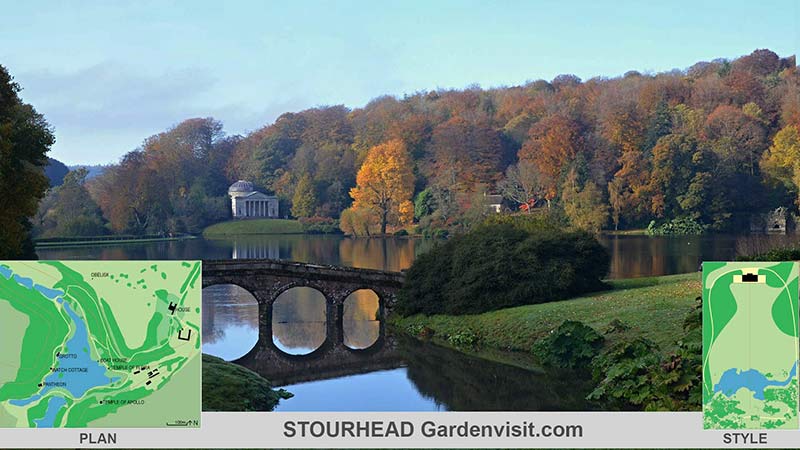
Great English Garden postcard of Stourhead, showing the garden plan and the garden design style
Great English Garden postcard of Stourhead, showing the garden plan and the garden design style
English lawns in 1964

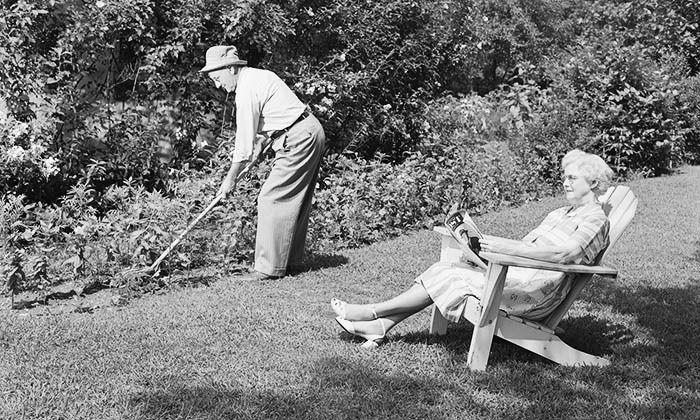
Lawn and Adirondak Chair (Guardian, 1964)

Lawn and Adirondack Chair (Guardian, 1964)

The Guardian has just reprinted a 1964 article on lawns by Moira Savonius, who also wrote books on fungi and on flowers. She sees lawns as a ‘cult’. My impression is that grass cutting has declined in public parks and stately homes but that the area they occupy in private gardens is but slightly diminished – and maybe not at all if you allow for fact that motor mowers were , relatively, much  more expensive in 1964 and so many more people ‘neglected’ their grass in the suburbs. A curious feature of the black and white photo accompanying the article is the Adirondack Chair – I believe they were most uncommon in 1960s Britain.

The Promenade Plantee predates the Highline

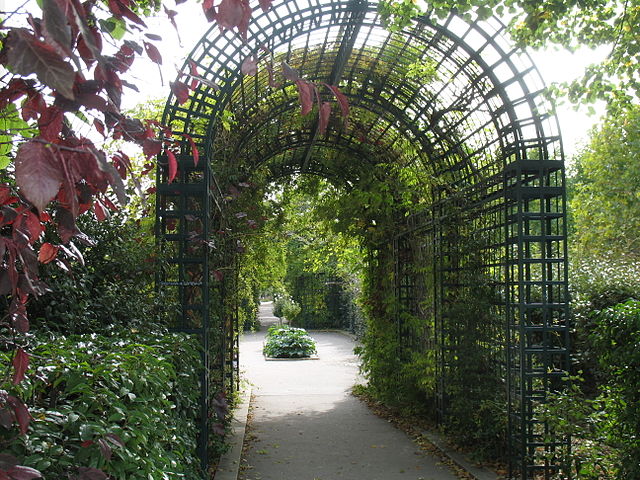
The Promenade Plantee is older than the Highline and is spatially more varied

The Promenade Plantee is older than the Highline and is spatially more varied

I wonder why the Highline in New York City has become much more famous than its older predecessor, the Promenade Plantee in Paris. I don’t think it’s a consequence of the design, the location or the scenic quality.  Could the explanation be an application of triumphal American marketing to the Highline?  Or does the Highline have more oomph? Paris is fast becoming a cycling city and the Promenade offers a great ride.

See also: Garden Tours in France

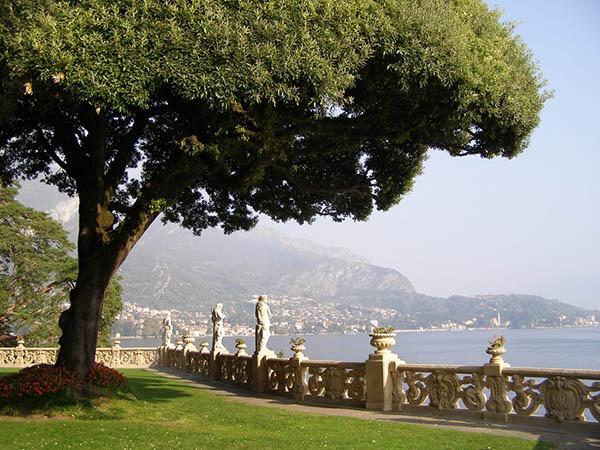
Not too late for a garden tour to the Italian lakes

Villa Balbianello on Lake Como in Italy

Villa Balbianello on Lake Como in Italy

Still desperate for a garden tour in 2017? I recommend the Italian Lakes. Villa Del Balbianello is on a wooded peninsula projecting into Lake Como. It was built in 1787, on the site of a Fransiscan monastery, by Cardinal Angelo Durini. Steps lead from the landing stage into a terraced garden with a beautiful loggia. It was renovated by the American General Butler Amos and given to the Fondo per l’Ambiente Italiano (FAI) in 1988. This guidebook to the gardens of the Italian Lakes is also recommended.

Donald Trump unveils new White House garden design

Trump White House Garden Design

Golden opportunity for garden design lover

The design objectives were to make fellow Americans feel great about themselves, to restore women to their proper place in American life and to show that the garden of the White House can serve a higher purpose than Michelle Obamacare for sustainable vegetables. The designer is believed to have been recommended by a Mr Putin who has an important position in Russia and good taste in golden statues of bimbos.

A cub journalist working for Gardenvisit.com was invited to be a judge on the internal competition for redesigning the garden of the Trump White House in Washington DC. She was flattered but turned down the opportunity when required to wear a gold bikini.

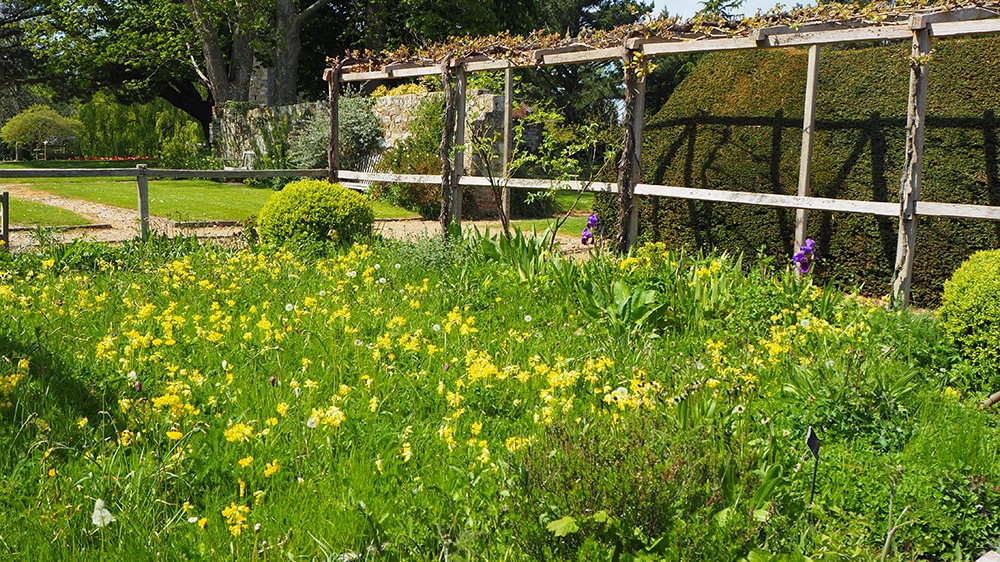
Michelham Priory Medieval Garden

Michelham Priory Garden is a delightfully tranquil moated manor house in East Sussex. What I like most about it is the recreated medieval garden. And what I like most about the medieval garden is the ‘flowery mead’ and the turf seats. Our knowledge of Michelham – and of medieval gardens in general – is not enough to say whether or not the details are accurate. But, to me, these details feel right and this is not a feeling I have about comparable recreations, either by the Garden History Museum or National Trust. Nor do I have this feeling about cathedral cloister garths. They are all managed with lawn mowers and this device was invented in 1830. The usual problem with medieval recreations is that their designers are muddled about the differences between medieval, renaissance and baroque gardens. So they use clipped hedges, which were a baroque feature, to make renaissance-style knot gardens. It does not make sense!

Michelham Priory Medieval Garden

The ‘flowery mead’ in Michelham Priory Medieval Garden