
- England
- Scotland
- France
- Holland
- Germany
- Italy
- Spain
- Portugal
- USA
- China
- Japan
- India
- Iran
- Advice
- Gardens
- England
- Scotland
- France
- Holland
- Germany
- Italy
- Spain
- Portugal
- USA
- China
- Japan
- India
- Iran
- Advice
- Garden Tours
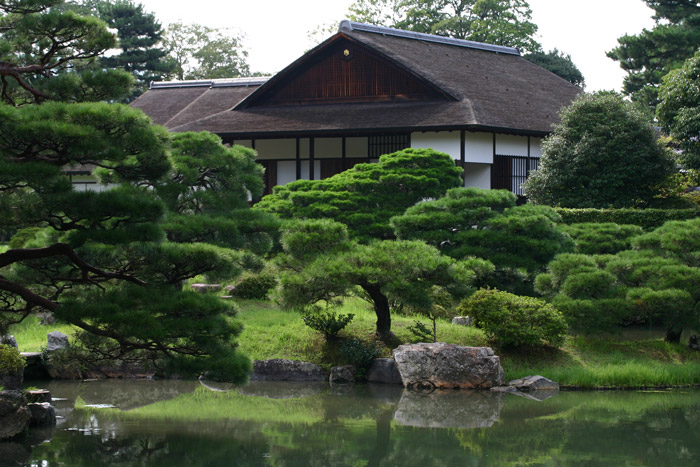 Travelling in Japan is easy if you speak Japanese but can be confusing if you do not. English is widely understood but not widely spoken - and signs are in English only in the big city centres. It is a good idea to book a garden tour in order to visit Japanese Gardens. Kyoto, as Japan's ancient capital and centre of court life, has a number of great gardens including the Katsura Palace and Byodo-in. The Heian Period (784-897) is one of the greatest in Japanese art. The nobility lived in pavilions inspired by China and often arranged round a lake. Pavilions were joined by covered passages and stepping stone. Gothein emphasises the importance of Chinese influence at this time. The Muromachi Period (1333-1573) was one in which taste was influenced by the Chinese Sung Dynasty. Saiho-ji, Tenryu-ji and Kinkaku-ji were made at this time. Ryoan-ji was made in the fifteenth century and is famous for its austere Zen Buddhist rock and sand garden.
Japan has a good rail network, including the famous bullet trains, and a good airline network for internal flights. But many foreigners encounter language problems when booking rail tickets and air tickets. International flights are simpler because English is used and spoken in airports. Many tourists find it simpler to book a ticket for an organised garden tour, either from outside Japan or on arrival in Japan.
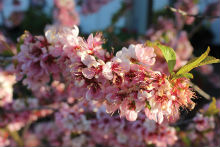 14 days including an 11 night exclusive small ship cruise with a Botanical Guide. Venture along the historic shores of Japan and South Korea, exploring ancient castles, peaceful Japanese gardens and opulent temples. In the first flourish of spring, you will enjoy bursts of colour from magnificent tree peonies, Japanese azaleas and peach blossoms..
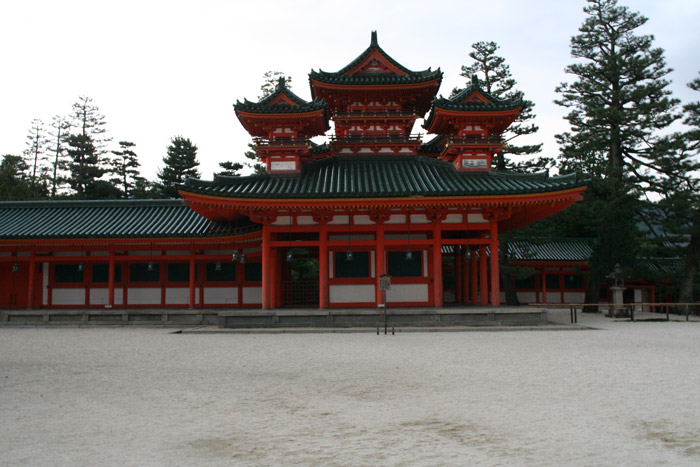 Taking tea in the middle of an exquisite traditional garden, while surrounded by shining skyscrapers of steel and glass; that is the essence of this remarkable and highly successful garden tour. The tour includes visits to Kinkakuji, Heian Shrine, Daisen-in and Saihoji.