- England
- Scotland
- France
- Holland
- Germany
- Italy
- Spain
- Portugal
- USA
- China
- Japan
- India
- Iran
- Advice
- Gardens
- England
- Scotland
- France
- Holland
- Germany
- Italy
- Spain
- Portugal
- USA
- China
- Japan
- India
- Iran
- Advice
- Garden Tours
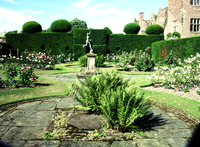
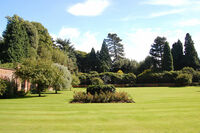
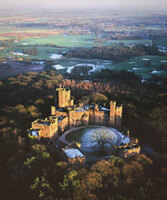
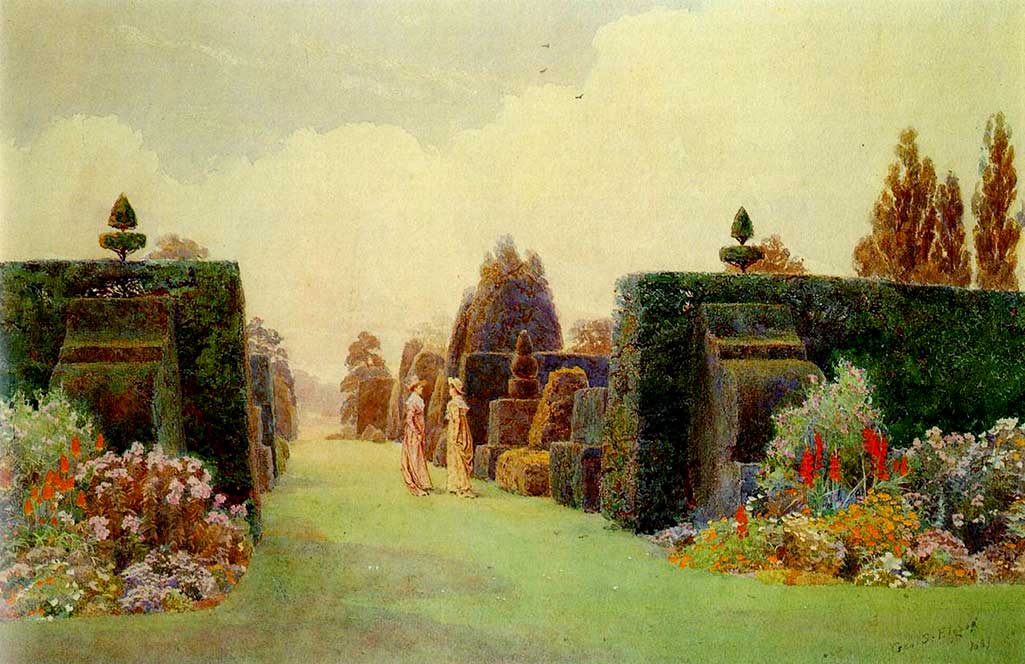
The Arley Estate dates from at least the 12th century and the park was designed by William Emes in the second half of the eighteenth century, with a ha-ha. The present Arley Hall garden dates from 1840. A plan drawn by its then owners in 1846 shows the gardens much as they are today. This is the evidence for the claim that the double herbaceous border (c1851) is one of the oldest in England. The walled kitchen garden has been skillfully transformed into an Arts and Crafts garden. George Elgood's 1900 painting of the garden (left) allso appears on the back cover of Brent Elliott's book on Victorian Gardens.
Arley Hall is available as a venue for garden weddings.

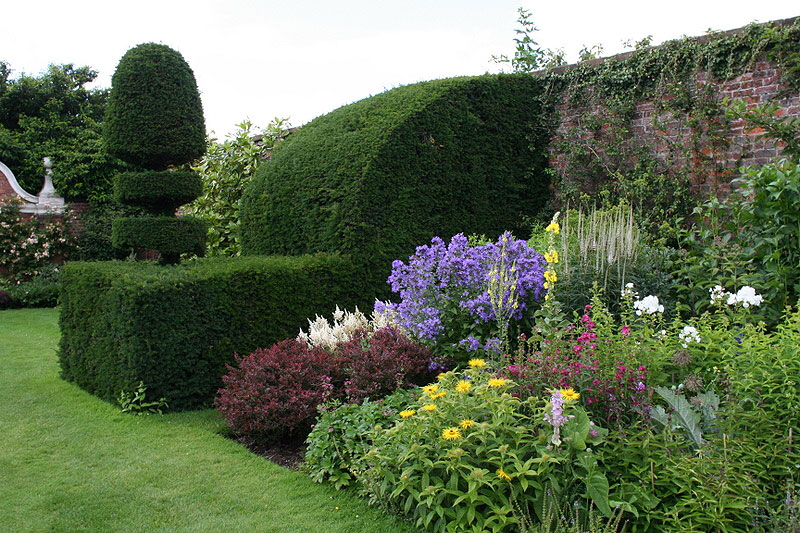


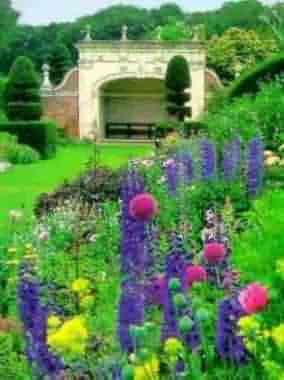
Arley is a place of enormous character, charm and interest. Visitors are frequently struck by the warm and intimate atmosphere and the feeling that Arley is a much-cherished family home.
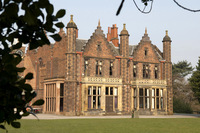
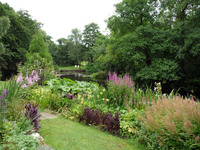
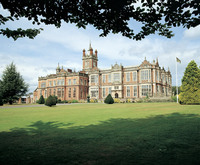
The Gardens, which are amongst the finest in Britain, are outstanding for their vitality, variety and historical interest and are particularly celebrated for the magnificent double herbaceous border. The Hall is an impressive example of a Victorian country house built in the Elizabethan style.
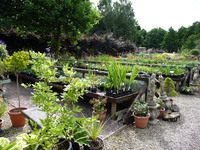
There are several plants of interests at Arley, namely the world famous Herbaceous Border, The Lyme Avene and The Quercus Ilex Columns as well as a wide variety of Rhododendrons in The Grove.

Northwich, Cheshire, Cheshire, England, CW9 6NA
THE GARDENS, CHAPEL, GIFT SHOP & TUDOR BARN RESTAURANT Monday - Sunday inclusive March 31st - September 30th 2012 Weekends in October 11am - 5pm (last entry 4.30pm) THE HALL Open Sunday & Bank Holidays with pre-booked group visits available Monday through to Sunday. April 1st - September 30th 2012 11am - 5pm (last entry 4.00pm) Hall access will be run on a guided tour basis only.
GARDENS & HALL Adults £10.00 Children u16 (u5 free) £4.00 Senior citizen £9.00 Family (2+2) £25.00 GARDENS ONLY Adults £7.00 Children u16 (u5 free) £2.50 Senior citizen £6.50 Family (2+2) £16.50